
Please listen to the audio above before reading further .
If there’s a more beautiful place in the world than the Gower Peninsula on Wales’ southern coast, I’ve yet to discover it. Its bountiful beaches and hidden coves, framed by weathered sand dunes and fields ablaze with wildflowers, radiate a magic rare in this age. Here, tales of smugglers, wreckers, and the Tylwyth Teg—the Verry Volk, as locals call them—whisper through the air. It’s easy to see why. If I were a fae of Annwn, the Otherworld, I’d forsake its realm in a heartbeat to roam the Gower’s shores—and it seems they often do.
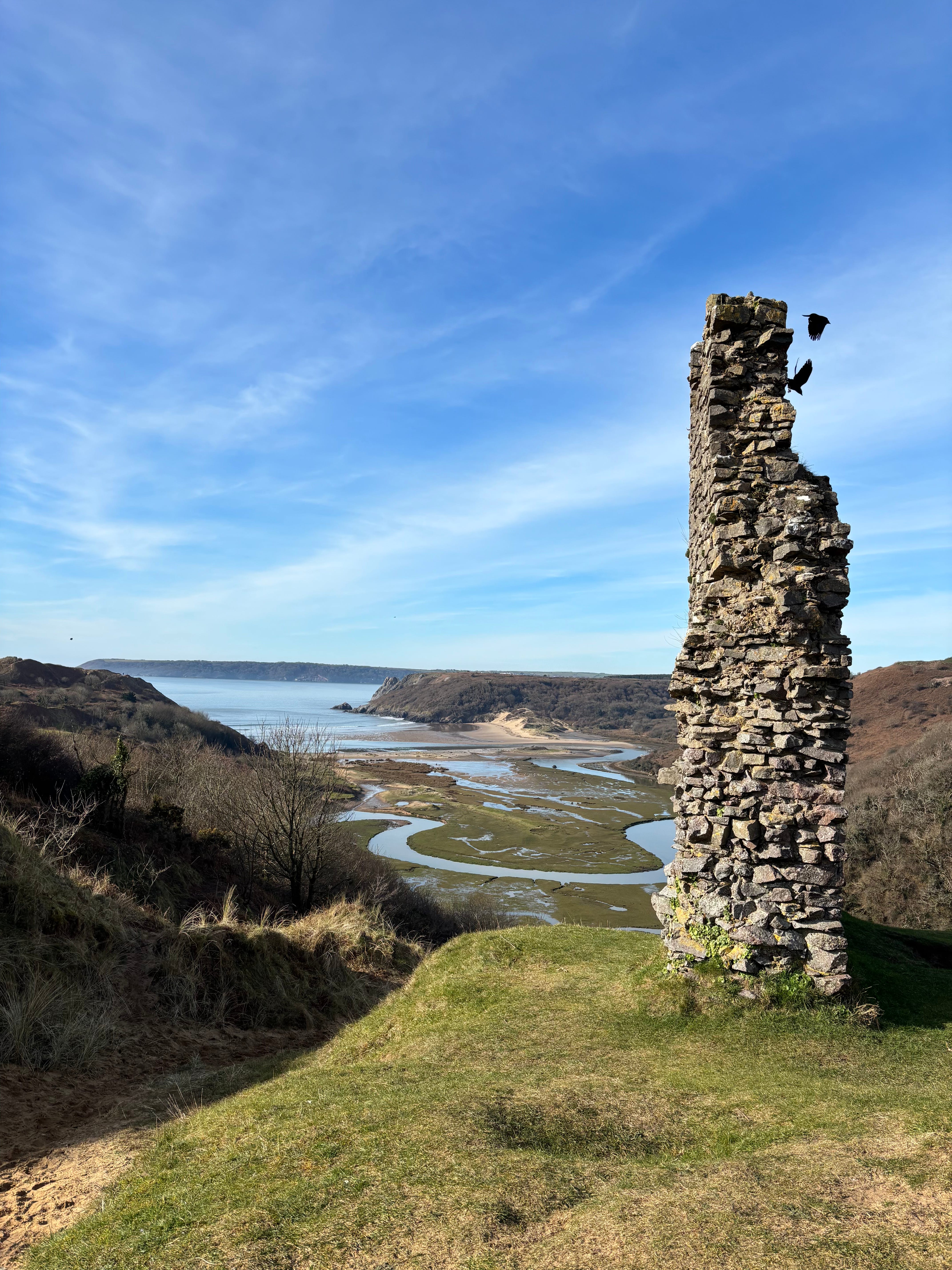
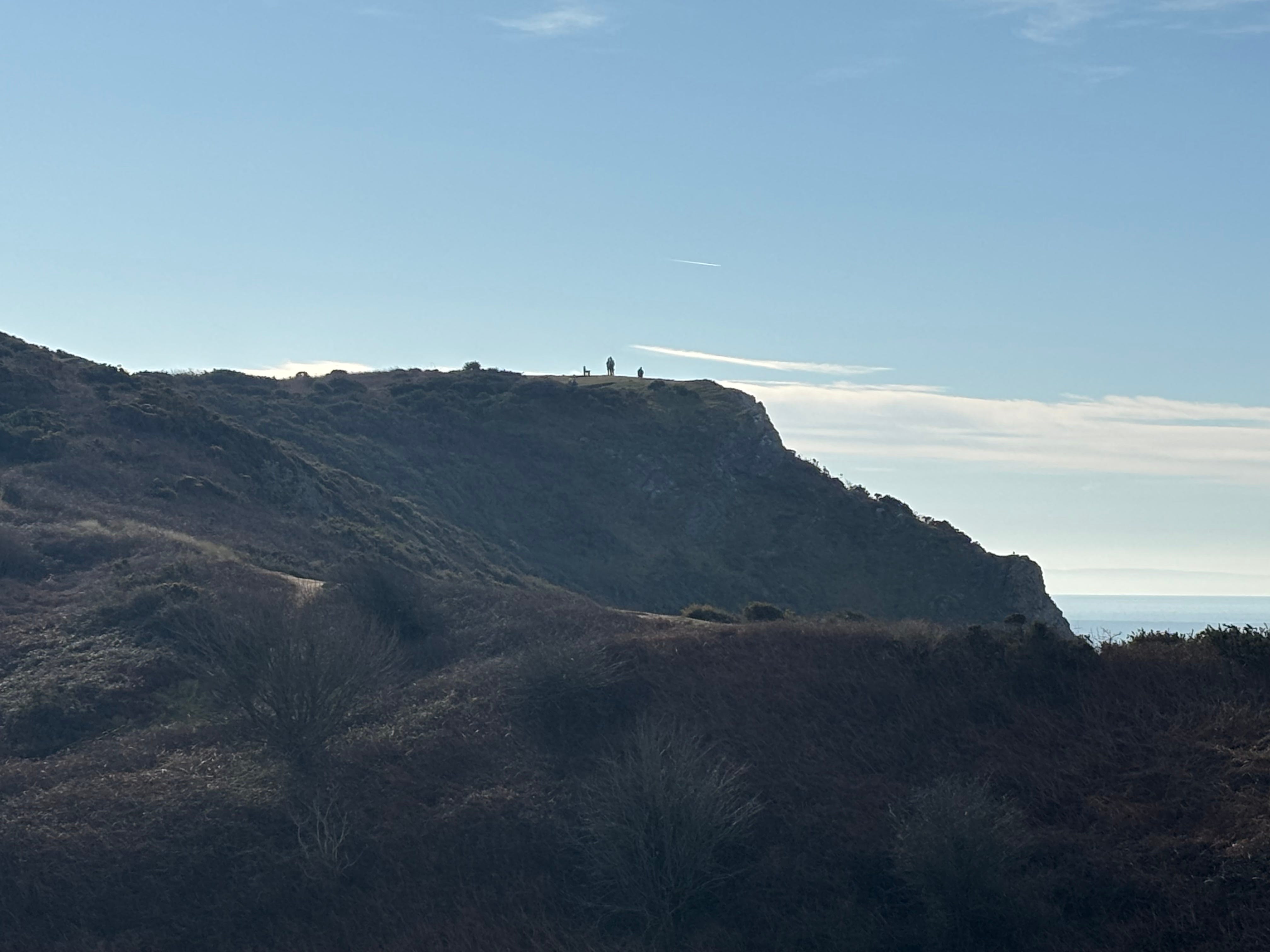
It was early March when I set out for Pennard Castle with my trusty companion, Betsan, a springer spaniel with a nose for stories. The day carried a tease of summer, a promise of brighter times, as we arrived in the quaint village of Southgate. From there, we wandered across Three Cliffs Bay toward the castle—a trek not long, but one I’d happily make daily. The path unfurls breathtaking vistas: a sea of molten sapphire, and, if luck favors you, a secret passage through a fractured cliff into a bay that feels like a portal to another realm. Then, rising from the dunes, Pennard Castle appears—a vision as striking now as it must have been centuries ago, when it stood as a vibrant sentinel of trade and tide.
Built-in 1107 by Henry de Beaumont, Earl of Warwick, the castle was one of seven raised to guard these wild, winsome lands—gifts from Henry I to a loyal Norman ally who’d earned the Lordship of Gower. Within decades, the De Braose family claimed the territory, their legacy still etched into the soil. They traded rotting timber for enduring stone, crafting the ruins we see today. In its prime, Pennard must have been the jewel of Welsh real estate. As you climb its sand-choked slopes, the castle looms like a weathered giant swaying on the horizon. Behind you, the bay stretches out in splendor, tempting you to imagine Gower’s lords gazing down, entranced by Tylwyth Teg dancing in the waves below.
Pennard has that effect—it steals your heart effortlessly.
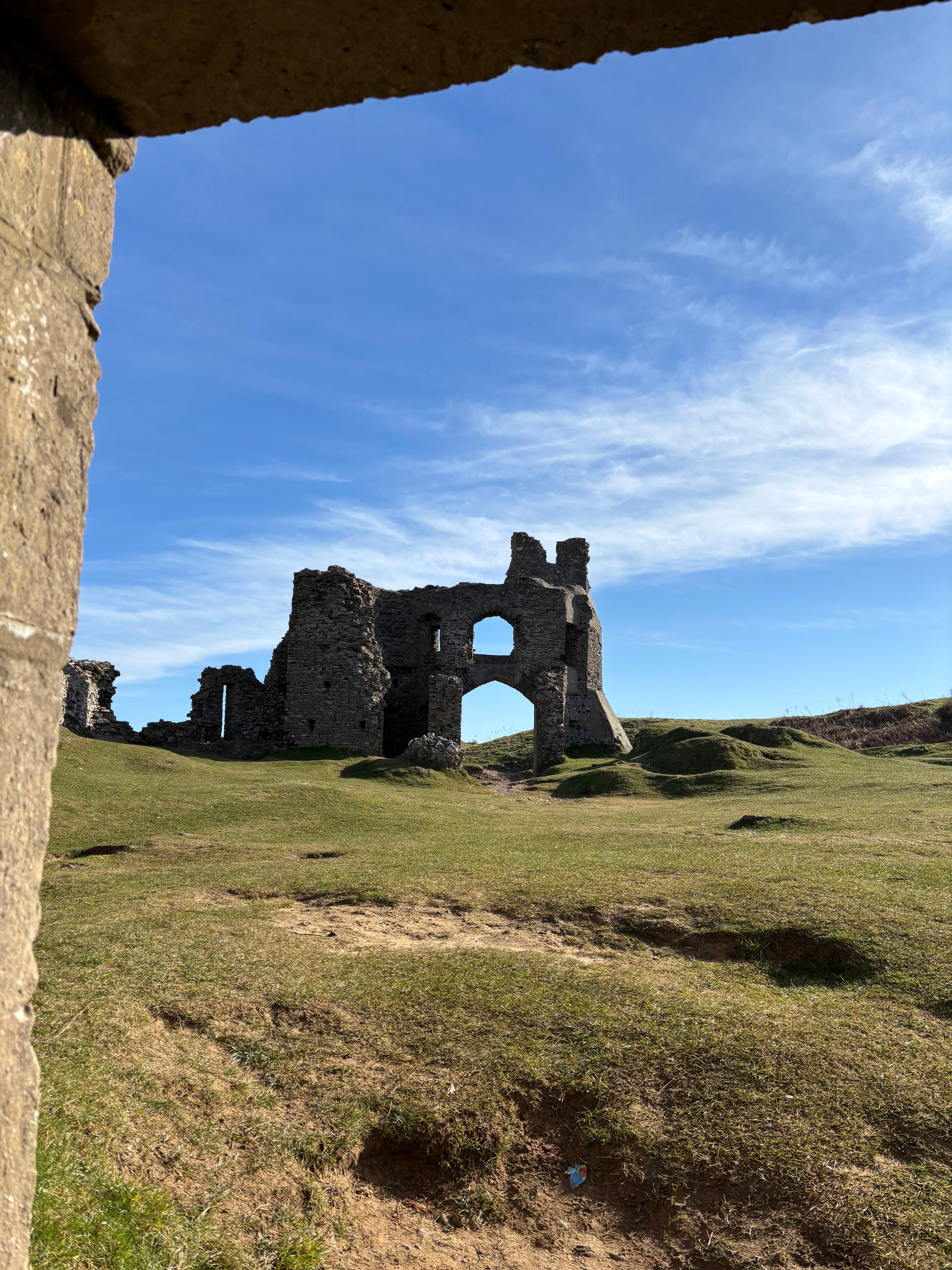
Stepping into the castle’s crooked shadow feels like crossing a threshold. The sun, ever-present here (a miracle in Wales), fades behind the towers, and the air chills as if the stones exhale forgotten centuries. Mounds of sand press against the walls, lending the place a mournful dignity, a sentinel clinging to tales long lost the Sand Castle.
I love to sit there, letting the legends seep into me. Pennard hoards its stories jealously, as if surrendering them would erode its soul. And among those whispers is the Night Hag—a banshee-like specter whose wails can shatter the stoutest will. They say she haunts these ruins, driving the foolish who linger overnight to madness—or gifting them with foresight or poetic genius. A perilous wager, but one I’d dare to take.
The sunset from Pennard Castle is a marvel beyond words. Yet, as the tale goes, each night, the Verry Volk’s curse sweeps sand over its walls, burying it anew—a punishment for some ancient lord’s greed. That curse has forged its mystique, a quality few places can rival. Pennard Castle: perched atop its hill, gazing at the sea; cursed by fairies, home to the Night Hag who might steal your mind or bless your soul. It’s one of my favorite corners of the world, and I hope you’ll visit it too.
Just be sure to leave before dusk.